
By Lisa Derx
One year, I complimented my Aunt Jennie on the beautiful stand of larkspur blooming in her garden. She told me all she did was sprinkle seeds in her garden in the fall, then wait for the beauty to burst forth in spring. I didn’t know it then, but that was my introduction to cool hardy annuals.
Cool hardy annuals, as the name suggests, are annual plants that need the cold of winter to perform their best. Annuals are plants that live for just one year, unlike perennials, which will continue to live for many years. Some people will say that they have annuals that do return faithfully each year. What they are misunderstanding is that many annuals are prolific re-seeders. So, it isn’t the same plant blooming again, but an entirely new one from seed created from the previous year’s plant.
Seed packs are often the first clue that a particular variety is cool hardy. If it is, it may say something like, “plant in early spring” or “plant when the ground can first be worked.” And while it is true that you can do this in March, just before or after the official arrival of spring, your results will be better if you start even earlier. Let’s go through a good time frame.
Begin the summer before. Do a little research, either online or at the public library, to see what flowers are considered cool hardy annuals. Decide which you like and want to try in your own garden. Order seeds.
Start your seeds in August. It can seem very strange to start seeds in August, while summer is in full sway here in the mid-Atlantic. But you want to start your seeds indoors, in August, so that you can plant them in your garden and get them established before the first freeze of winter. They are better equipped to handle cold after having settled in for several weeks first.
Plant your seedlings six weeks before your first freeze. You want to plant your seedlings out about six weeks before your first freeze so they can develop strong roots. If you aren’t sure when your first freeze typically is, check your zone here: https://planthardiness.ars.usda.gov/. Once you know your zone, you can find out what the approximate time is for your first frost, then count back from that about six weeks.
Keep an eye on the weather. If you get behind a little, and plant your seedlings later than is ideal, keep an eye on the weather. If the temperature is going to drop well below freezing when your plants are still very young, covering them with frost cloth will offer them a few degrees of protection. Even a bedsheet works in a pinch.
Direct sow when possible. Yes, as my Aunt Jennie did every year, you can direct sow some types of cool hard annuals in the fall. Do your research with these to ensure that direct seeding is recommended for that variety. Johnny’s Seeds gives excellent information about growing, as do other seed companies. www.johnnyseeds.com
Water if needed. If winter is exceptionally dry — meaning below average snow, ice, and rain — you will want to water your plants to help them thrive. Continue this in spring, too, if rainfall is scarce.
Watch them grow! It truly is amazing to see how much taller and stronger fall-planted flowers can be. Even if we get late frosts, they will usually come through with no problem, as they have been conditioned by winter’s cold.
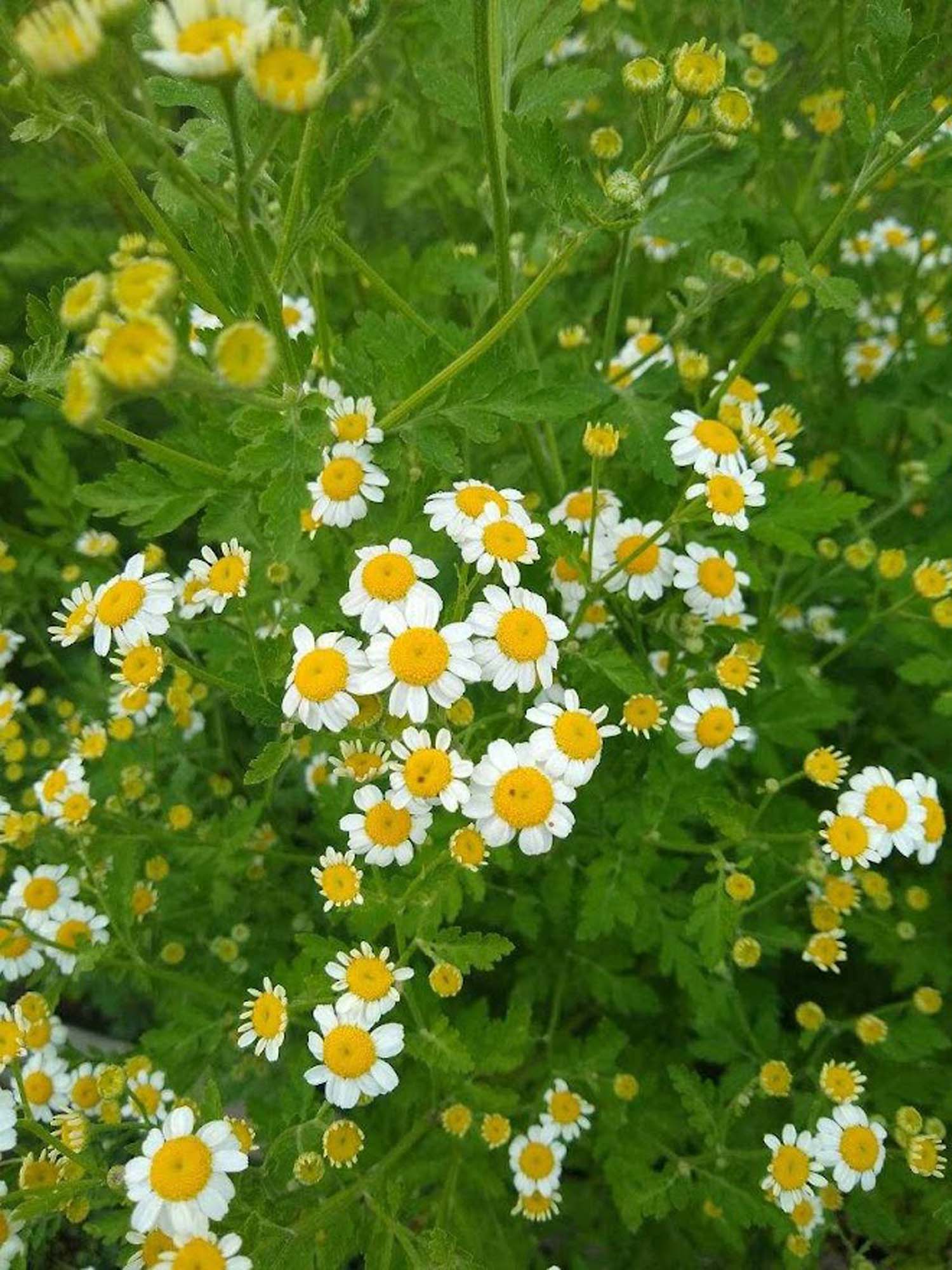
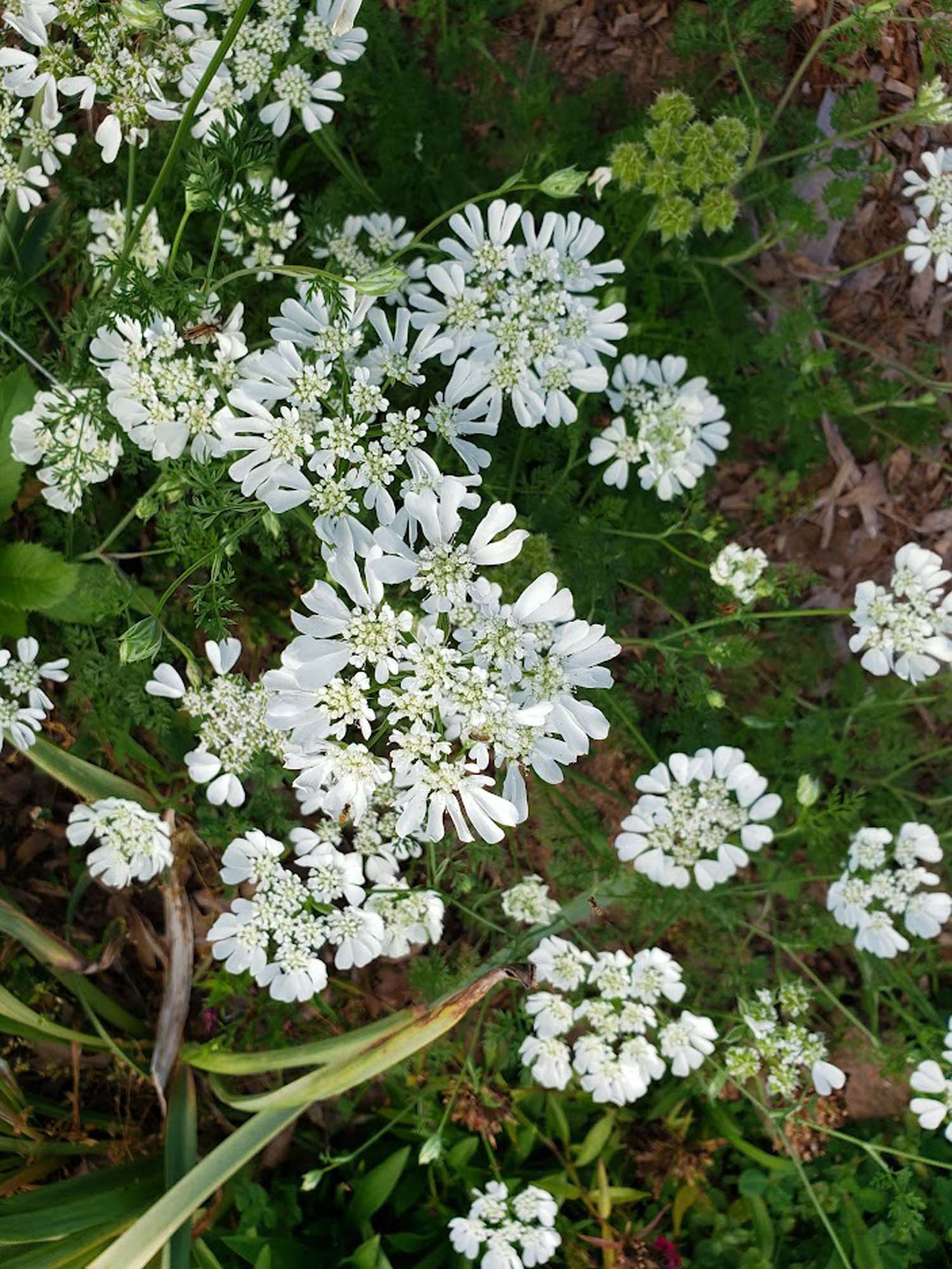
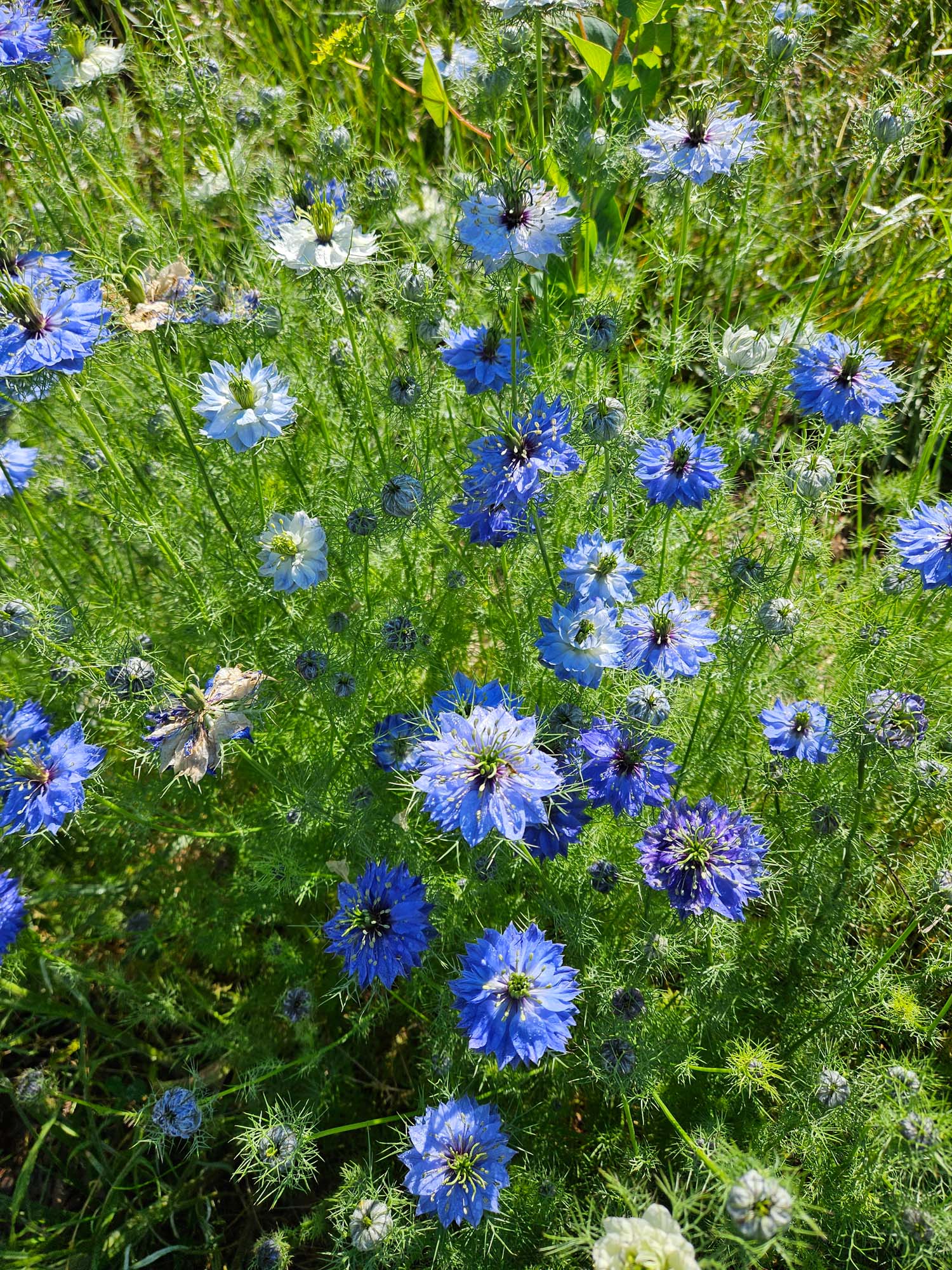
By now, you are probably wondering what flowers are cool hardy annuals. We have many to choose from, such as Anemones, Bachelor Buttons, Bupleurum, Delphinium, Dianthus, Feverfew, Foxglove, Larkspur, Ranunculus, Sweet Peas, Yarrow, and more. A wonderful resource is the definitive book Cool Flowers written by Lisa Mason Ziegler, a flower farmer in southeastern Virginia for over 25 years. I highly recommend this, as she gives useful information regarding hardiness, whether to pinch or net, whether to direct sow, and so much more. You can order seeds, her book, and other useful gardening supplies at www.thegardenersworkshop.com.
Thinking of growing your own cool hardy annuals? Let me know at [email protected].
Lisa Derx is a member of the American Daffodil Society, Membership Chair for the National Capital Dahlia Society, President of Chesapeake Flower Exchange, Local Flowers Liaison for the Independent Floral Designers Association, and a member of the Association of Specialty Cut Flowers and the Maryland Cut Flower Growers Association. Her home is in Dayton, Maryland, where she lives and grows flowers with her husband Dan and cat Sebastian.

Please support OutLook by the Bay with a subscription.
OutLook by the Bay magazine and this website are made possible through the support of our advertisers and subscribers. We guarantee you’ll learn something new each issue. Please subscribe today.