

By Joyce M. White
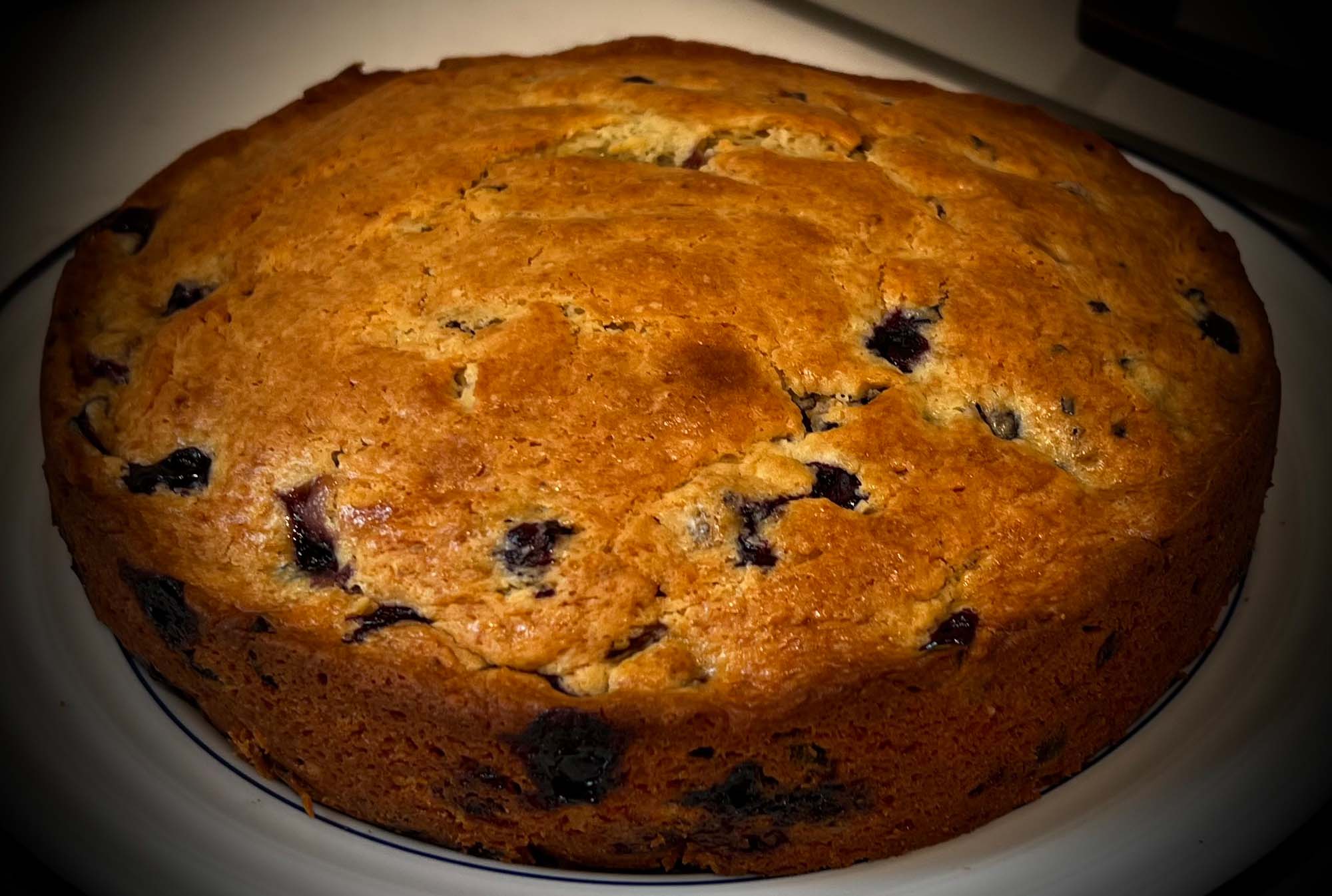
Huckleberries have been enjoyed by people from all areas of Maryland for centuries, beginning with the region’s Indigenous people. Though much less commonly known or used today, these sweet berries were once a much anticipated late summer addendum to Maryland’s culinary palate of riches. There are two types of huckleberries native to Maryland: the low bush variety that thrives in the mountains of Western Maryland and the high bush variety that thrives in the lowlands of the Eastern Shore. Huckleberries are close relatives of blueberries, all being members of the family Ericaceae, and look and taste very much alike which makes it hard to distinguish between the two. As a result, the terms blueberry and huckleberry are often used interchangeably when referring to either berry.
Evidence that blueberries/huckleberries have been used by people in the Maryland region reaches far back in time. Remains of seeds were found at archaeological excavations of two prehistoric Maryland sites: the Middle Woodland Patterson site and the Late Woodland Stearns site, both located on the Patuxent River in Calvert County. Huckleberries also have a long and notable history on the Eastern Shore and remain an important part of the traditional cuisine among members of the local Nanticoke tribe, who continue to make the region their home. According to the Nanticoke Historic Preservation Alliance, Eastern Tribes consumed many different types of native berries, including blueberries (aka huckleberries). In a cookbook published by the Alliance in 2013, blueberries were used in recipes for tea, a sweetened dish paired with wild strawberries, and in a dish where the berries are paired with wild rice and hazelnuts. The book also states that berry sauces and puddings are favorite dishes.
Until the late 19th century, huckleberries remained an important seasonal supplement to the diets of many Marylanders. In 1845, huckleberries were listed for sale at Centre Market in Baltimore for 3-cents per quart; in 1855, huckleberries were written about in the Cecil Whig as being available in “great plenty, in different parts of the county”; and according to the Frederick News, 1881 was a very remarkable year for huckleberries because the season was longer than usual and more huckleberries were sold that year than ever before.
The following recipe for Huckleberry Pudding was submitted to Annapolis’ famous Maryland’s Way cookbook by Mrs. Charles McCurdy Mathias of Frederick:
| Huckleberry Pudding ½ cup butter 1 cup sugar 2 eggs ½ cup sour cream ½ teaspoon soda 2 cups flour ½ teaspoon cream of tartar 2 cups berries Cream butter and sugar; add beaten eggs, then sour cream in which soda has been added. Stir in one cup of flour mixed with cream of tartar. Lastly, add berries which have been dusted with second cup of flour. Bake in greased pan in moderate oven for one hour. Serve with any desired sauce. Hard sauce flavored with sherry wine is good. |
This recipe was probably made with the low bush variety, commonly found in and around Frederick County, where Mrs. Mathias lived. Low bush huckleberry (Gaylussacia baccata) is commonly called Black Huckleberry. It is the most prevalent variety grown in the region from Georgia to Maine, and north into eastern Canada. It is so named because it grows to a height of just two to four feet. An 1895 edition of the Frederick News includes the following description of a popular Frederick County spot for picking huckleberries: “For several days past large numbers of people have been visiting the mountains in the vicinity of the big and little White Rock for huckleberries, which are quite plentiful this year.” Another huckleberry hot spot in Frederick County was Rocky Spring. A Frederick newspaper report delineated the dangers and arduous task mountain berry-picking could be; pickers had to contend with the hot sun, mosquitoes, large ticks, and the not uncommon need to fight off rattlesnakes to get close enough to the bushes to reach the berries.
In contrast to low bush, the high bush variety grows to a height of twelve to fifteen feet. This type is also known as the Swamp Huckleberry or Highbush Blueberry (Vaccinium corymbosum). In the 19th century, bushes of swamp huckleberries proliferated in the wooded lowlands of Maryland’s Eastern Shore at sites known locally as The Forest. Swamp huckleberry pickers were accordingly referred to as foresters. It was estimated in the very late 19th century that there were as many as a thousand foresters engaged in picking the berries each year. In 1892, it was reported that a Wicomico County man picked and shipped 22,000 quarts of huckleberries in a single week and one of his neighbors, likewise, shipped almost as many; they would have earned $2 per day for their efforts. The swamp variety were highly regarded and regularly shipped outside of the Eastern Shore to markets in Baltimore and beyond. They were described in 1896 in the Baltimore Sun as being large, plump and blue with a sweet, juicy and delicious flavor. The Sun also boldly asserted that the foresters were “makers of the best huckleberry pies in the world.”
Joyce M. White, a food historian, can be contacted through www.atasteofhistory.net.

Please support OutLook by the Bay with a subscription.
OutLook by the Bay magazine and this website are made possible through the support of our advertisers and subscribers. We guarantee you’ll learn something new each issue. Please subscribe today.
