

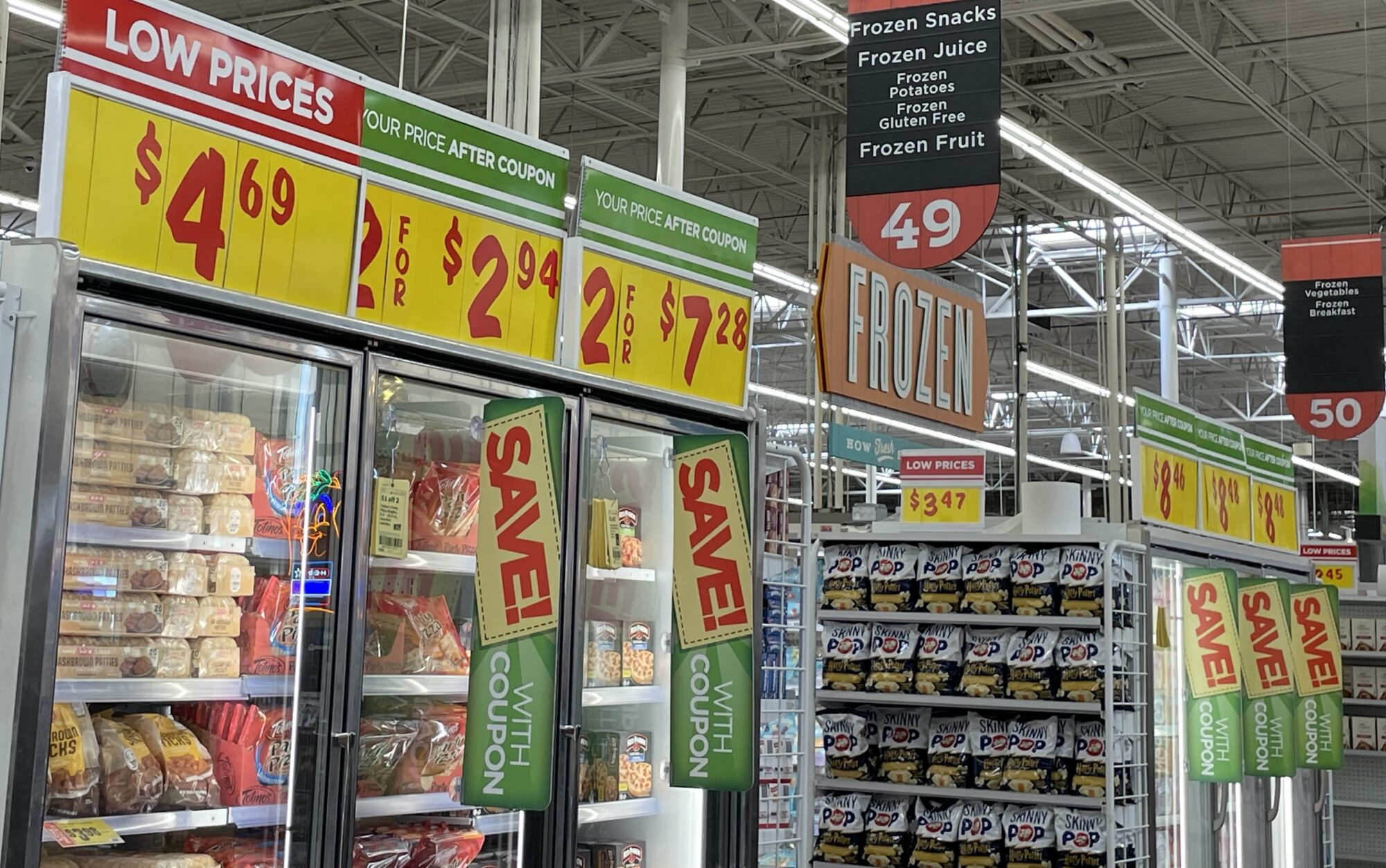
Most of us have been affected by inflation. Although we currently suffer from higher prices on gasoline, household goods and heating, we seem to feel the crunch most intensely when buying food. It’s possible we will need to deal with higher food prices for the time being; however, following are some of my money-saving tips which you may find helpful the next time you visit your neighborhood supermarket.

1. Remember that meat and dairy products are usually located in the back of the store. If you walk directly toward the back, rather than around the perimeter, you will avoid being distracted by attractive, but unnecessary, goodies.
2. Everyday staples, like flour and coffee, are located near the middle of each aisle, whereas optional, expensive items are on the ends. Avoid being tempted on your way to the necessities!
3. The cheapest versions of cheese are in the dairy section, rather than in the deli and gourmet aisles.
4. Nuts are cheaper in the produce versus the baking aisles.
5. Fresh-baked breads and rolls are less expensive than commercial, prepackaged ones.
6. Buy inexpensive cuts of meat, which can be prepared by marinating, braising, and adding flavor.
7. Grab foods with a short shelf life, such as milk and cold cuts, from the back of the shelf. The oldest ones are usually stored up front. Be sure to read “sell by” dates.
8. Go by ingredients, not brand names. For example, any dry pasta, made with Durum wheat semolina, will taste as good as any other, regardless of brand.
9. A two-for-one sale isn’t a good deal if you only need one.
10. Check the “sale” price, against the regular price, of an item before buying it.
Some featured items, although advertised, are not necessarily a bargain.
11. Clip and save coupons and, if possible, combine them with store sales.
12. Keep a close eye on your register receipt. Mistakes happen, and buyers are often overcharged.
13. Keep in mind that your neighborhood dollar store carries perfectly good household items and snack foods at a much cheaper price than your supermarket. For example, you can save cash by buying bargain-brand cleaning products, which contain the same basic ingredients from one brand to the next. Other items which are best purchased at your dollar store include greeting cards, gift wrap, gift bags, off-brand shampoos and hair sprays, and kitchen gadgets. Be sure that snack foods are in
tightly-sealed containers.
14. Purchase a membership at a wholesale club, such as Costco, Sam’s Club, or BJ’s Wholesale Club. These clubs sell foods in bulk to give you low prices. Although they charge membership fees, these are well worth the savings. Since bulk foods can go bad, remember to buy them only in quantities that you know your household can eat.
15. Invest in a vacuum food sealer, which can help prevent spoilage, help you throw away less food, and enable you to buy in bulk.
16. Plan your attack: Write down a week’s worth of meal ideas, along with the ingredients you will need, before heading to the store. You’ll be less likely to buy things not on the list.
17. Never shop when you are hungry! Hunger influences your decisions. If necessary, have a snack before going shopping.
Enjoy your money-saving shopping trip!
Louise Whiteside, formerly of Washington, D.C. and Maryland, currently resides in the Colorado Rockies. She has many interests and enjoys memoir writing.

Please support OutLook by the Bay with a subscription.
OutLook by the Bay magazine and this website are made possible through the support of our advertisers and subscribers. We guarantee you’ll learn something new each issue. Please subscribe today.