

By Dr. Meenakshi Bhattacharjee, Rice University
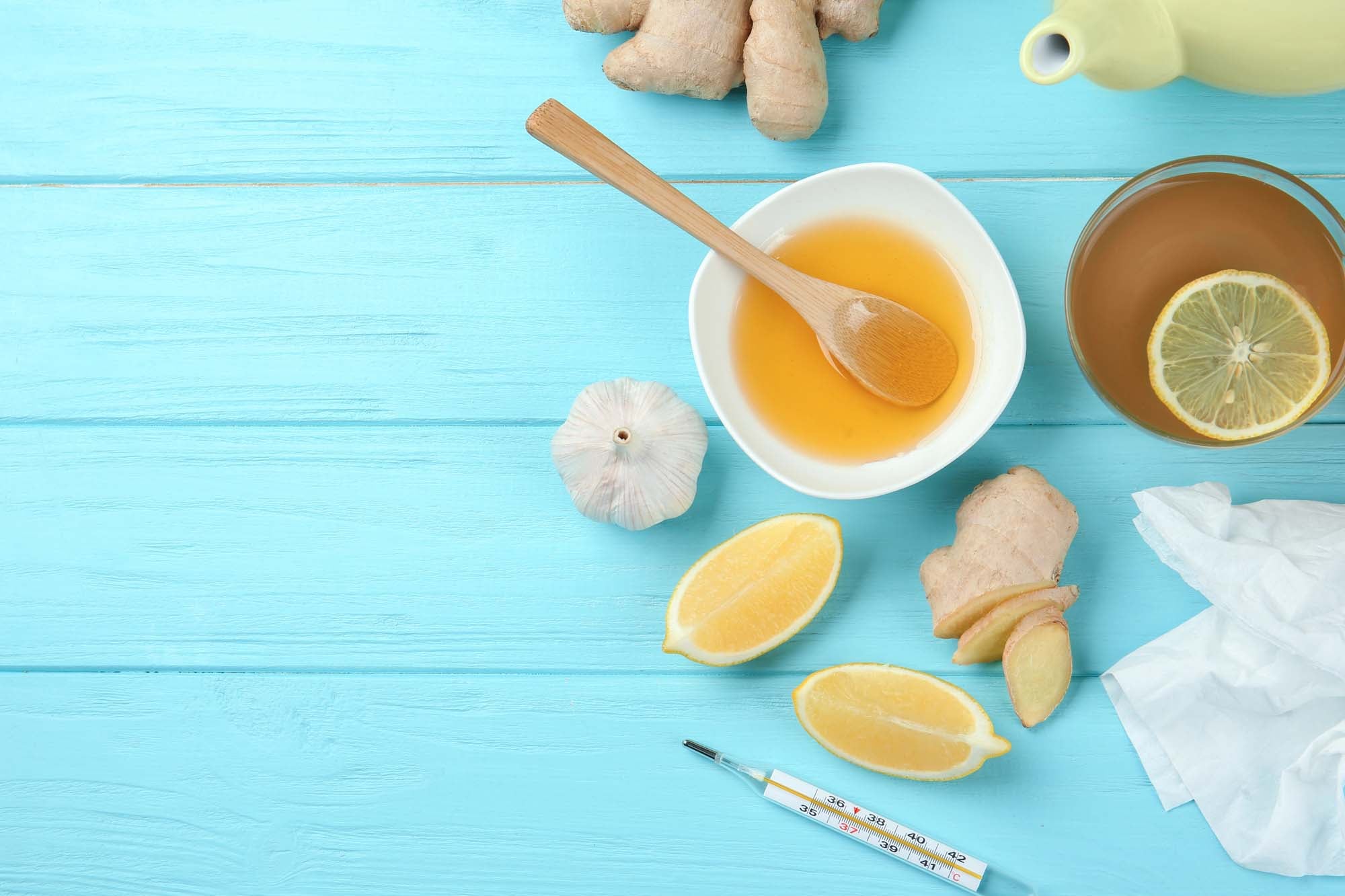
We are in peak flu season, and a new variant, Subclade K, is spreading across the country, driving a sharp rise in illness and hospitalization. While there’s no miracle drug, herb or supplement to instantly heal you, there are specific actions and home remedies that you can take to minimize your symptoms and speed up the healing process, or even escape the infection. You may not be able to prevent catching a cold or the flu, but you can greatly reduce your chances and decrease the likelihood of a severe case if you do get sick. The symptoms of flu can be dealt with easily by using things available in one’s kitchen and the local market.
Staying Hydrated
Natural remedies for winter colds and coughs due to flu include staying hydrated by drinking plenty of fluids like water, coconut water, sports drinks, herbal tea, fresh juice, soup, broth, and raw fruits and vegetables.
Hydration with herbal teas is significant and may help the body to fight off the flu virus. A hot herbal drink is also soothing to your throat and sinuses. You can make a flu-fighting herbal tea with star anise from which oseltamivir, the medicine to treat viruses, has been traditionally extracted; and other herbs like green or black tea, turmeric tea, lemon tea, fresh or dried ginger, or ginger paste tea; fresh garlic tea, cloves tea, chrysanthemum tea. If the herbal teas are sweetened with honey, royal jelly, and other bee products they have been found to have additional antibacterial and antiviral properties. Many bagged teas are available with these as dried ingredients combined.
Drinking warm chicken or beef bone broth is another good way to stay hydrated. It also helps to loosen and break up nose and sinus congestion. Bone broth is also naturally high in protein and minerals like sodium and potassium. Drinking broth is a good way to replenish these nutrients while you have the flu and protein is important for rebuilding immune cells, which are low during illness.
Using Common Herbs
Herbs are central to treating illnesses and alleviating symptoms like cough, sore throat, fever, and congestion. Honeysuckle flower detoxifies and helps to reduce inflammation. It’s one of the primary herbs for treating fever, sore throat, and cough. It has antiviral and antibacterial properties, making it ideal for fighting infections. Cinnamon twig warms and releases the exterior, to help induce sweating. It’s particularly used when symptoms include chills and body aches, and when fever needs to be expelled. Ephedra releases the exterior, induces sweating, opens the lungs, and helps relieve coughing and wheezing. It’s a powerful herb that helps release the flu virus from the body and is effective for respiratory symptoms. Astragalus root and White Atractylodes or Siler root are often used to lower the risks of cold and flu. Platycodon root and Apricot kernel are known to ease cough and hydrate the lungs. Ginseng and Mint are used to treat wind-cold-damp issues and strengthen the body.
Single Herbs for Cold and Flu
Ginger is a warming herb that helps sweat and feel warmer. It is also known to improve blood flow and reduce nausea. Licorice root soothes sore throat. Andrographis helps fight the influenza virus.
Using Essential Oils available in the United States
Some types of essential oils may help protect you against certain viruses and bacteria. Tea tree oil helps fight the flu virus by slowing or stopping the rate at which the virus multiplies.
In practice, you might add a few drops of tea tree oil to liquid hand soap when you wash your hands or mix it into the lotion you use. Some commercially made mouthwashes include it as an ingredient. Other plant and herbal essential oils may also work as natural antibiotics and antivirals. These include cinnamon oil, peppermint oil, eucalyptus oil, geranium oil, lemon oil, thyme oil, and oregano oil. Caution: Use only as directed. Do not ingest essential oils; many are toxic. Most essential oils can be used on the skin after they’re mixed with carrier oils like almond or olive oil. You can add fresh and dried herbs and spices from which the oils are extracted to food to get similar benefits. Diffusing essential oils into the air with a diffuser may also help fight some kinds of viruses and bacteria. Inhaling essential oils can also influence children, pregnant and nursing women, and pets so, be careful.
Other Supportive Measures
Eating immune-boosting foods: A well-balanced diet with plenty of vegetables, fruits, and spices can help support your immune system. Pineapple contains bromelain, which may help with cough and cold symptoms. Elderberry offers benefits like boosting the immune system and potentially shortening the cold/flu duration due to high vitamin C and antioxidant content. Fruits and vegetables, including blueberry, strawberry, broccoli, almonds, carrots, spinach, apples, sweet potato, and citrus fruits are all beneficial for boosting the immune system.
Increasing Zinc intake: Mineral Zinc is important for your immune system. This nutrient helps the body make germ-fighting white blood cells, and helps ease cold and flu symptoms. Zinc helps your body fight the flu virus and may slow down how fast it multiplies. It may shorten the duration of your symptoms. You can normally get plenty of zinc from a balanced daily diet. Foods that are high in zinc include: red meat, shellfish, lentils, chickpeas, beans, nuts, seeds, dairy, eggs.
Adopting Other Lifestyle Methods
Gargle regularly: Soothing a sore throat with a saltwater gargle or warm honey and lemon is a very effective measure to fight symptoms of cold and flu. Using a humidifier to moisten the air can help with congestion, and getting adequate rest is also crucial for recovery.
Resting: Allow your body to rest and heal by getting enough sleep and staying home if you have a fever or bad cough. Sleeping can boost your immune system, helping your body fight off the flu virus. Cancel your usual routine and make sleep a priority to get back on your feet.
Using saline nasal drops: These can help clear nasal passages and relieve stuffiness
Hopefully, readers will find these simple tips useful to make it through this flu and cold season.
Disclaimer: Before using any of these methods, please consult your doctor.
Prof. Dr. Meenakshi Bhattacharjee is an internationally acclaimed algal biotechnologist, and plant scientist with over 36 years of distinguished academic, research, and teaching experience across India, Europe, and the United States. Currently, she is Research Professor at Rice University, Houston, TX; and she also works as an independent consultant and adviser to industries in algal, environmental, and industrial biotechnology.

Please support OutLook by the Bay with a subscription.
OutLook by the Bay magazine and this website are made possible through the support of our advertisers and subscribers. We guarantee you’ll learn something new each issue. Please subscribe today.